the Italian stuff looks nice, but have you looked up the weight? over 15 kg for the one I looked up...
as to baragnouma ngonis, the clips on youtube sound nice, but that's the problem about sound clips, it can sound really different to what it sounds next to you. the craftswork was all fine, but the sound terrible. partly this was a result of cheap strings, I think, but you couldn't change the strings and expect it to be good. what those guys in Africa don't know is the much different climatic envirenment we live in here. if there is not enough tension on the skin, in our humid conditions such an instrument sounds awful, but can sound ok in the heat of Africa. If I can be a little snotty I'd say the all sound poor next to the stuff I make
Paul wrote:I had someone say that my ngoni were too expensive (350e max) and they would buy them there. I generally will resit a bridge or change a string for free if people buy from me, but i show no love if they shop elsewhere.
right! the cheap guy who bought the terrible ngoni from baragnouma asked me tons of questions and wanted me to re-string and stuff. I just said please contact your dealer for any problems with your instrument...
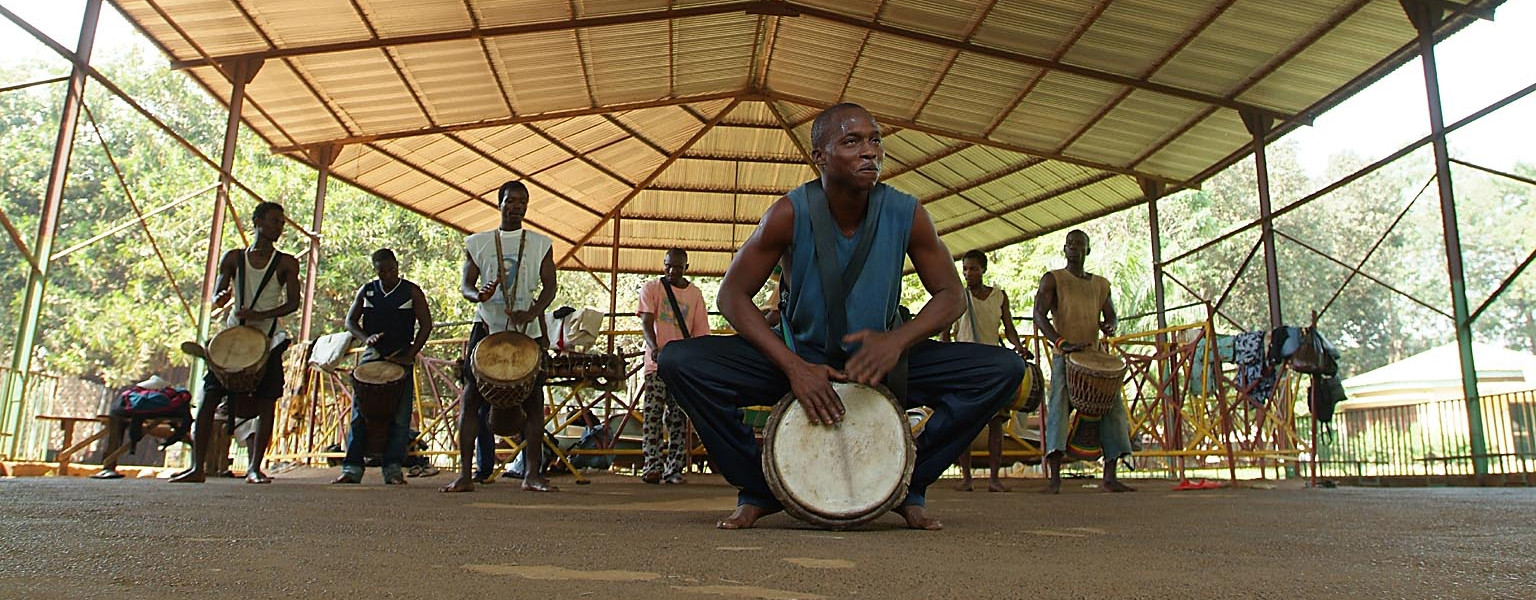
as to webshop, that guy just delivered drums and stuff directly home to my place. it was the first time I ordered and we met. I can only say about him that I really like that guy, honest as it gets. he lives for traditional african djembe music and has very small margines of profit from what he sells. he is doing a lot labour for the love of the music. that's why stuff there is really cheap. he brought me a wula drum, too, to compare, but I liked his stuff better in terms of sound. but the wula had a white skin and probably had so much wet pull that it was almost dead. also, it had some varnish on it which I don't like at all. the foot was enormous, too big for any of my bags.
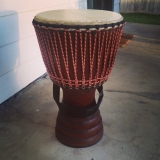
astonishingly, I liked the sound of one of his sustainable maple wood djembes the most. very balanced sounds i.e. slaps, tones, and basses were all nice and about the same level. a student of mine who also teaches immediately took that today.

about the rings, it's common nowadays in Africa to do them extremely tight. you can see that on djembes where the knots have left deep marks in the wood. they do that because the wood is usually not decently stored to dry and usually will loose some diameter in the aftermath. we had the problem earlier that the rings were too big after that. so today they do them really tight, so the big rings problem for later is not as bad or even vanished.
due to his little margins, lots of work, and plenty of grumpy costumers he can be a bit rude at times. but that's not his habit, I can assure you. did you check out his offer of a bundle of melina djembes? really nice sound and you get 5 for 625,-€. that's ridiculous, man! and that melina grows fast in plantations, so does not contribute to deforestation. what a deal...